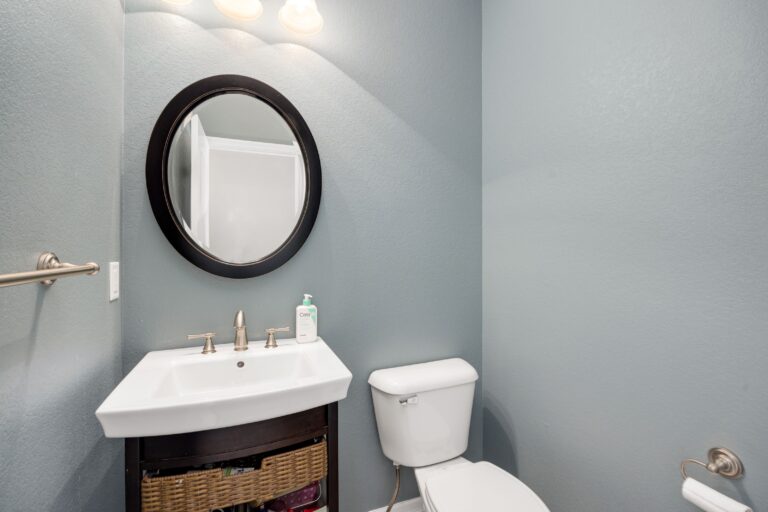
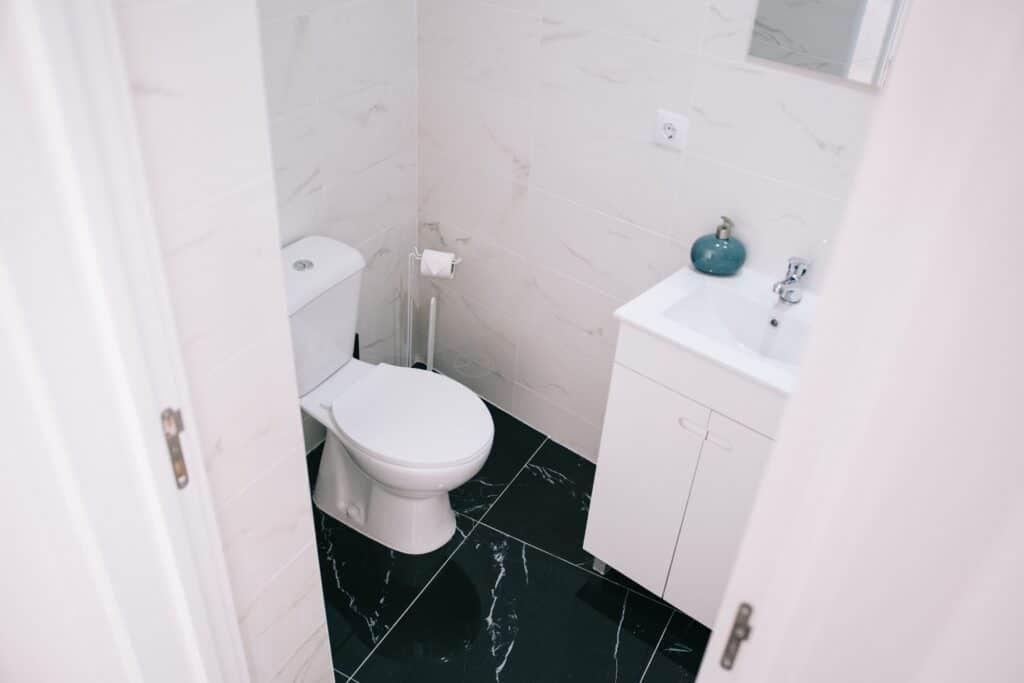
Small bathrooms are the most common remodeling project there is, and the one where homeowners are most often surprised by the quote. The assumption is reasonable enough: less floor area should mean less money. In practice, a small bathroom contains almost exactly the same components as a large one, packed into a space that’s harder to work in.
Understanding why that is makes the numbers you’re quoted a lot easier to read.
Why square footage is a poor predictor
A bathroom’s cost tracks the number of things in it far more closely than its dimensions. A five-by-eight bathroom still has a toilet, a sink, a vanity, a tub or shower, a valve, a drain, an exhaust fan, lighting, waterproofing and tile. Halving the floor area doesn’t halve any of that.
What smaller square footage does reduce is material quantity — less floor tile, a smaller vanity. What it doesn’t reduce is the labor of demolition, rough plumbing, substrate preparation, waterproofing and finish work, all of which are driven by the number of components and the complexity of the assembly rather than the size of the room.
In fact, tight spaces can add labor. There’s less room to work, fewer places to stage materials, more cuts around fixtures relative to the area, and less tolerance for anything being slightly out of square.
What actually moves the number
Whether the layout stays put
The single biggest fork. Keeping the toilet, sink and shower in their existing positions means the drain and vent lines can usually stay where they are. Moving any of them — particularly the toilet — means opening the floor, reworking drainage and venting, then repairing what you opened.
In a small bathroom this decision carries extra weight, because layout changes are often exactly what people want. Swapping a tub for a larger shower, or moving a vanity to gain circulation space, is frequently the whole point of the remodel. It’s worth doing when it solves a real daily problem — just budget for it as plumbing work, not as a layout tweak.
Tub, shower, or both
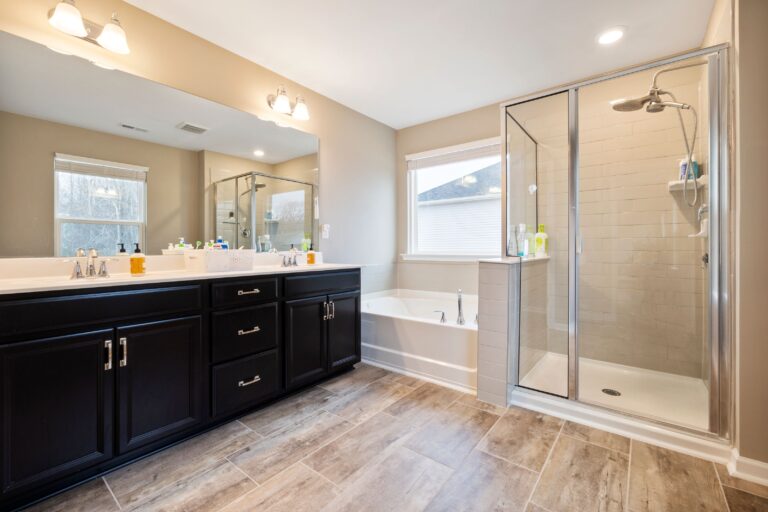
Replacing a tub with a like-for-like tub is the simplest option. Converting a tub alcove into a walk-in shower is more involved: the drain usually needs to move, the floor needs proper slope and waterproofing, and the wall tile typically goes higher. It’s one of the most requested changes in small bathrooms, and it is not a like-for-like swap.
Tile scope and format
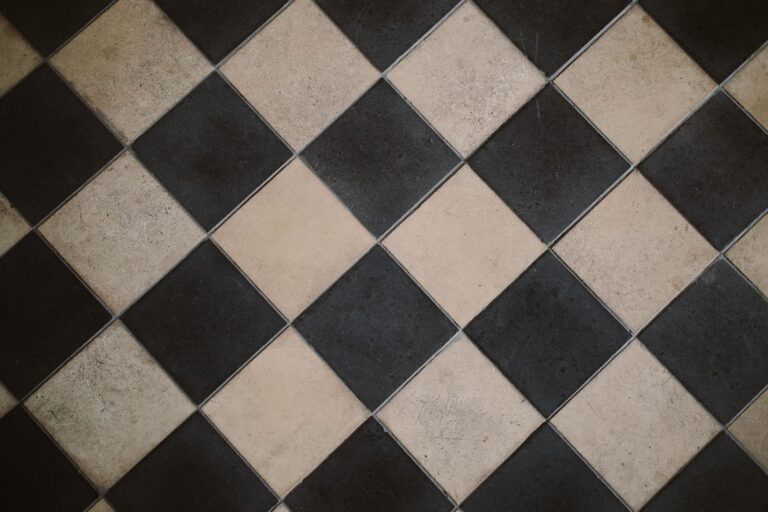
Floor only, floor plus a tub surround, or floor plus a full-height shower enclosure are three different quantities of work. On top of that, the tile itself changes the labor: large formats need a flatter substrate and more preparation, small formats and mosaics mean many more pieces and cuts, and natural stone asks for more care throughout.
In a small room the layout decisions matter more than usual, because with so few full tiles in any run, badly planned cuts are impossible to hide. Setting out the tile properly is the difference between a small bathroom that looks deliberate and one that looks squeezed.
What demolition uncovers
Small bathrooms are often the oldest rooms in a house to be renovated, which means they’re also the most likely to be hiding something. Water damage around a tub or toilet, a soft subfloor, old galvanized supply lines, or framing that was cut badly for a previous plumbing run are all common finds.
A good estimate deals with this openly — either with a stated allowance, or with a written explanation of how it will be priced if found. An estimate that doesn’t mention it hasn’t removed the risk; it’s just left the conversation for later.
Fixtures and finishes
The adjustable part. Vanities, faucets, toilets, valves, lighting and hardware span a wide range, and the labor to install a modest one and an expensive one is broadly similar. If a number needs to come down without changing the scope of work, this is where to look first.
Where small bathrooms hide extra cost
- Ventilation. If the room has no fan, or has one venting into an attic rather than outside, fixing it is part of doing the job properly — and small bathrooms with poor ventilation are common.
- Electrical. Adding lighting, a heated floor or additional receptacles may mean new circuits.
- Door swing. Changing how a door swings, or converting to a pocket door, is a genuine improvement in a tight room and a genuine piece of carpentry.
- Waterproofing. Invisible in the finished room, essential to how long it lasts, and the worst possible place to economize.
- Disposal. Old tile, mortar beds and cast iron are heavy, and the debris has to go somewhere.
Getting good value from a small bathroom budget
A few priorities tend to hold up well:
- Fix what’s failing first. Water damage, a failing shower, poor ventilation. These aren’t optional and they get more expensive with time.
- Get the layout right while the walls are open. It is far cheaper to move something now than to live with it and redo the room later.
- Invest in the shower and the tile work. They get used every day, they’re the most visible surfaces in the room, and they’re the hardest to correct afterwards.
- Treat fixtures as the flexible line. This is the part you can adjust without compromising the build.
- Keep a contingency. On an older small bathroom this is planning, not pessimism.
Comparing quotes for a small bathroom
Two numbers are only comparable when the scopes match. Check that each estimate tells you which fixtures are included and who supplies them, how much tile and where, whether the layout or plumbing is moving, what waterproofing method the shower will use, how unforeseen conditions will be handled, who pulls permits if they’re needed, and a realistic schedule.
If one quote is far lower, the useful question isn’t why it’s cheap — it’s what the others include that it doesn’t. The answer is almost always somewhere in that list.
If you’re planning a small bathroom, it’s worth having the tile and layout conversation early, since set-out and format shape both the finished look and the labor. Our companion piece on making a small bathroom look bigger covers the design side, and what a bathroom remodel costs sets out the factors that apply to any bathroom. You can read about our bathroom remodeling services or get in touch to talk through your space. Also see our guide to bathroom remodeling in New Jersey.